
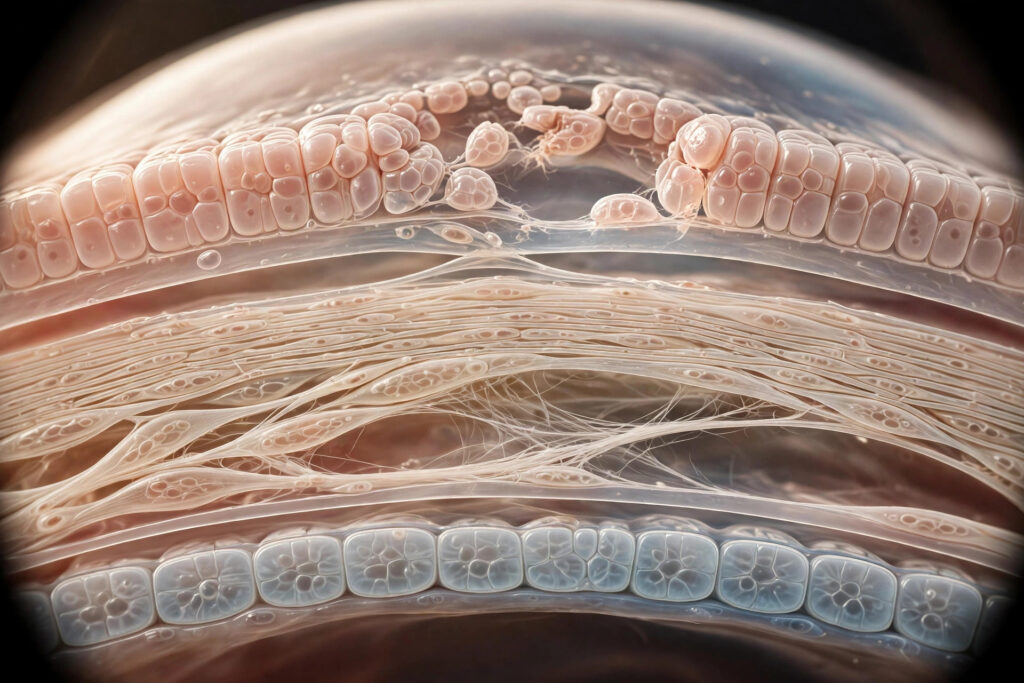
The corneal flap is the signature feature of LASIK, and its healing is the question that worries patients most. The good news is straightforward: the flap adheres naturally without stitches, most of the healing happens within days to weeks, and serious flap problems are rare in properly screened patients. Understanding how LASIK flap healing works turns a vague fear into a concrete, manageable process.
This article explains how the flap bonds back to the cornea, what the normal healing timeline looks like, which rare issues surgeons watch for, and how to protect the flap in the early weeks and beyond. If you are considering LASIK or are already scheduled, discuss your individual healing expectations with a qualified refractive eye surgeon.
Table of Contents
- How the Flap Adheres
- The Healing Timeline
- What Normal Healing Feels Like
- Rare Flap Issues Surgeons Watch For
- Protecting the Flap While It Heals
- When to Call Your Surgeon
How the Flap Adheres
When the surgeon folds the flap back into place after reshaping the cornea, it settles into its original position with remarkable precision, like a puzzle piece returning to its cutout. No stitches are needed. The cornea’s outer layer of cells, the epithelium, begins sealing the flap’s edge within hours, and the body’s natural healing response creates an adhesive bond between the flap and the underlying tissue over the following days.
This bond strengthens progressively. In the first day or two it is relatively delicate, which is why the no-rubbing rule is strictest immediately after surgery. Over the first weeks the adhesion firms up considerably, and over months it continues to mature. It is worth knowing honestly that the flap never bonds with quite the original strength of untouched cornea; the interface remains a potential weak point for trauma for years, which is why surgeons discuss protective eyewear for contact sports.
The flap’s edge can sometimes be seen by the surgeon under the microscope as a faint line, but it is invisible to the patient and to anyone looking at your eyes. Vision through the healed flap is clear because the interface is optically smooth. A careful What Happens During an Eye Exam? Step by Step“>eye exam at each follow-up visit lets the surgeon confirm the flap is smooth, centered, and sealing cleanly.
The Healing Timeline
The first 24 hours are about initial sealing. The epithelial cells close over the flap edge quickly, the prescribed drops control inflammation and prevent infection, and the protective shield guards against sleep rubbing. Most patients are surprised at their day-one checkup to learn the flap is already well on its way; the surgeon can see the early healing under the slit lamp even while vision is still sharpening.
Over the first week, the adhesive bond strengthens and vision typically stabilizes noticeably. Grittiness fades, drop frequency usually decreases per the surgeon’s schedule, and many patients return to normal routines with a few restrictions still in place. By the one-month visit, the flap is generally considered well healed for everyday purposes, though the surgeon will still advise caution with eye trauma.
Full maturation of the bond takes several months, during which the interface continues to strengthen gradually. Follow-up schedules vary by clinic but commonly include day one, week one, month one, and month three or six. Each visit is a checkpoint where the surgeon verifies that healing is progressing normally and that vision is settling at the intended target.
What Normal Healing Feels Like
Normal flap healing feels like very little at all after the first day or two. The gritty, watery sensation of the first evening fades, and most patients simply notice their vision getting sharper day by day. Mild dryness, especially in the mornings or during screen-heavy days, is the most common lingering sensation and responds well to lubricating drops.
Minor visual fluctuations are normal during the first weeks. Vision may be slightly better at some times of day than others as the tear film and healing settle. Nighttime halos or glare around lights can appear early on and typically diminish as healing progresses. These are signs of an eye adjusting, not of a flap problem, but they are worth mentioning at follow-ups so the surgeon can track them.
What normal healing does not include is increasing pain, sudden vision changes, or redness that spreads. Those are covered in the warning-signs section below. The general rule surgeons give is simple: steady improvement is normal, and anything that gets worse after the first day deserves a phone call.
Rare Flap Issues Surgeons Watch For
Flap dislocation, where the flap shifts out of position, is the complication patients fear most and one of the rarest in practice. It is most likely in the first days after surgery from significant eye rubbing or trauma, which is why the protective shield and the no-rubbing rule exist. Late dislocation from major trauma years later has been reported in the literature but is exceptionally uncommon. A displaced flap causes sudden blurriness or discomfort and needs prompt surgical repositioning, which is usually successful when done quickly.
Flap striae are microscopic wrinkles in the flap that can occasionally affect vision quality. Fine striae that do not affect vision are simply observed; those that do can often be smoothed by the surgeon lifting and repositioning the flap. Epithelial ingrowth, where surface cells grow under the flap edge, is another known issue; mild cases are watched, while progressive cases are cleaned out surgically. Both are uncommon in modern practice with femtosecond-created flaps.
Diffuse lamellar keratitis, sometimes called “sands of the Sahara” for its appearance under the microscope, is an inflammatory response beneath the flap that typically appears within days of surgery. It is treatable with anti-inflammatory drops when caught at the routine early follow-ups, which is one reason the day-one and week-one visits are not optional. The American Academy of Ophthalmology’s LASIK page discusses these risks in the context of overall procedure safety.
Protecting the Flap While It Heals
The early rules are simple and non-negotiable: do not rub your eyes, wear the shield while sleeping for the period directed, and keep water, makeup, and dusty environments away from the eyes. Rubbing is the single biggest threat to a fresh flap, and the shield exists because people rub their eyes in their sleep without knowing it. Take the shield habit seriously for as long as your surgeon advises.
Exercise can usually resume gradually; confirm the timeline with your surgeon, but many clinics clear light exercise within days while asking patients to avoid swimming, hot tubs, and contact sports for weeks. Best Sunglasses for Kids: Buying Guide“>Sunglasses outdoors protect healing eyes from UV light and wind-blown debris, and they also discourage rubbing by keeping fingers away. Former Best Contact Lenses for Allergy Sufferers“>contact lens wearers should note that lenses are off the table during healing, which most find they do not miss.
Longer term, the practical advice is to treat the eyes with reasonable care: wear protective eyewear for racquet sports, DIY work, and anything with projectile risk, and mention your LASIK history to any future eye doctor. These are sensible habits for everyone, but they carry extra weight when a flap interface exists. None of this should limit a normal active life; it is simply informed caution.
When to Call Your Surgeon
Call promptly if you experience severe or worsening pain after the first day, a sudden drop in vision, increasing redness, discharge, or any sensation that the eye was struck or rubbed hard. Sudden blurriness following trauma, even minor trauma, should be evaluated the same day because a displaced flap is easiest to fix quickly. Your clinic’s after-hours number exists for exactly these situations; use it without hesitation.
Also call about symptoms that plateau instead of improving: dryness that does not respond to drops over weeks, glare or halos that interfere with night driving beyond the early healing period, or vision that seems to drift from the crispness you had at the one-week visit. Many of these have straightforward treatments, from prescription dry-eye therapy to a flap check or enhancement evaluation, but only if the surgeon knows.
Keep every scheduled follow-up even when your eyes feel perfect. The surgeon can see healing details under the microscope that you cannot feel, and the early visits are timed to catch the rare issues when they are most treatable. Skipping follow-ups because “everything seems fine” is the one shortcut that experienced surgeons consistently warn against. The FDA’s LASIK recovery guidance reinforces the importance of the full follow-up schedule.