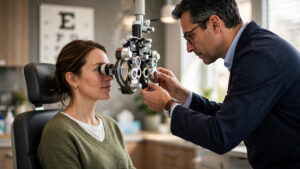
Eye Exams
How to Prepare for an Eye Exam
Prepare for an eye exam the right way. What to bring, which questions to ask, how…
Read More →
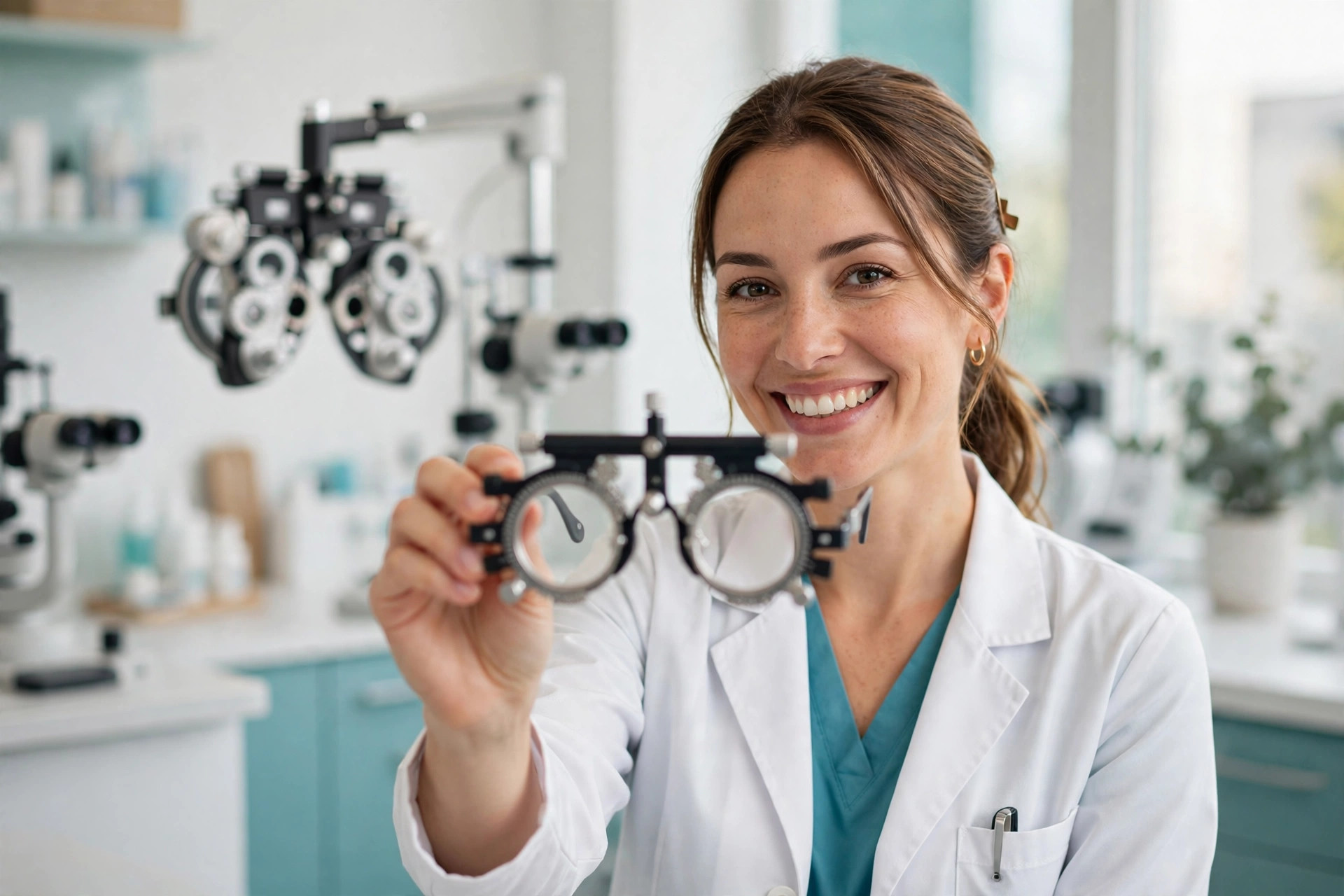
What does an OCT scan eye test show? Learn how this painless retinal imaging…
Eye ExamsVisual field test explained: how the exam maps your peripheral vision, what glaucoma results…
Eye ExamsEye dilation expect: what happens during the test, common side effects like light sensitivity…
Clear eyeglasses guides, comparisons and practical tips.
26 articlesClear contact lenses guides, comparisons and practical tips.
26 articlesClear sunglasses guides, comparisons and practical tips.
24 articlesClear eye health guides, comparisons and practical tips.
36 articlesClear eye exams guides, comparisons and practical tips.
9 articlesClear kids vision guides, comparisons and practical tips.
4 articlesClear lens technology guides, comparisons and practical tips.
4 articlesPrepare for an eye exam the right way. What to bring, which questions to ask, how…
Read More →
Does insurance cover eye exams? It depends on your plan type. Learn the difference between vision…
Read More →
Light sensitivity makes bright light painful. Explore photophobia causes, from dry eye and corneal issues to…
Read More →
Double vision can signal eye muscle problems or serious neurological issues. Learn the causes of diplopia,…
Read More →
Eye pain has many causes, from minor irritation to emergency. Learn to distinguish surface pain from…
Read More →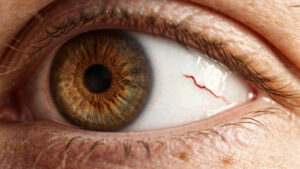
A broken blood vessel in the eye looks alarming but is usually harmless. Learn the common…
Read More →From choosing your first pair of glasses to understanding an eye exam — every guide is written in plain language and reviewed for accuracy.
Bifocal trifocal lenses explained: how each multifocal works, key differences, honest pros and cons, and how lined multifocals compare to…
How to stop glasses slipping down your nose for good: free professional adjustments, nose pad upgrades, temple fixes, anti-slip products,…
Reading glasses prescription readers compared: when drugstore readers are fine, when you need custom lenses, hidden risks, and alternatives for…
This sports glasses goggles guide covers the best protective eyewear for basketball, racquet sports, skiing, swimming, and cycling — plus…
Most adults should have a comprehensive eye exam every one to two years. If you wear glasses or contacts, have diabetes, or are over 60, yearly exams are usually recommended.
Your prescription lists sphere (SPH) for nearsightedness or farsightedness, cylinder (CYL) and axis for astigmatism, and ADD for reading power. Our guide walks through each number with examples.
Evidence is mixed. They may reduce glare for some people, but good screen habits — the 20-20-20 rule, proper lighting, regular blinking — matter more for comfort.
Yes. Toric contact lenses are designed specifically for astigmatism. An eye doctor will fit them to your prescription during a contact lens exam.
Yes — children's eyes are more vulnerable to UV damage. Look for sunglasses labeled 100% UVA/UVB protection with a comfortable, secure fit.

Red eyes stem from many causes, from dryness and allergies to infection. Learn how to identify…
Read More →
Seasonal eye allergies cause itching, redness, and watering eyes. Get proven relief: avoidance tips, OTC treatments,…
Read More →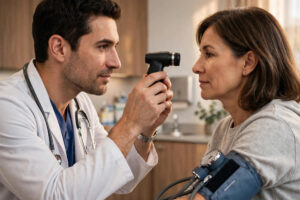
High blood pressure damages the eye's retinal vessels silently. Learn how hypertension threatens vision and raises…
Read More →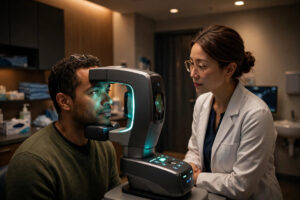
Diabetes affects vision in many ways beyond retinopathy. Learn what to know about blood sugar swings,…
Read More →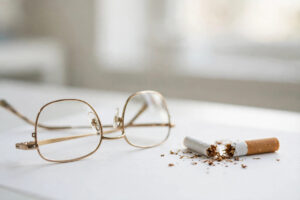
Smoking affects eyes seriously, doubling macular degeneration and cataract risk. Learn exactly how tobacco damages vision…
Read More →
Which vitamins for eyes actually work? An evidence-based guide to lutein, zeaxanthin, the AREDS2 formula, and…
Read More →