
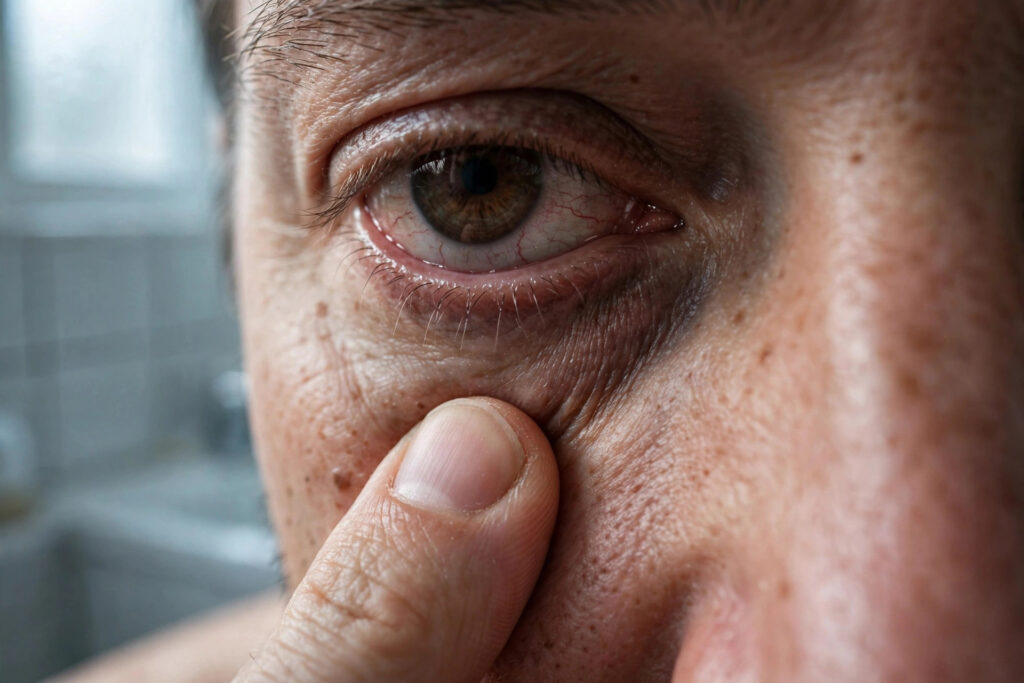
An eyelid that will not stop twitching is one of those small problems that feels enormous. The fluttering is usually invisible to others but impossible for you to ignore. Fortunately, the vast majority of eye twitching is harmless and temporary, driven by everyday factors you can address.
This guide covers the common causes of eyelid twitching, the simple remedies that resolve most cases, and the rare warning signs that mean a twitch deserves medical attention.
Table of Contents
- What an Eyelid Twitch Is
- Most Common Causes
- Simple Remedies That Work
- Caffeine, Sleep, and Stress
- When Twitching Needs a Doctor
- Preventing Future Twitches
What an Eyelid Twitch Is
The medical term for common eyelid twitching is myokymia, an involuntary, fine rippling of the eyelid muscles, almost always the lower lid. It is caused by spontaneous firing of the tiny muscle fibers in the lid, similar to the twitch you might feel in a calf muscle after exercise. Episodes typically last seconds to minutes but can recur over days or weeks.
Myokymia differs from blepharospasm, a rarer condition involving forceful, sustained closing of both eyelids, and from hemifacial spasm, which affects one entire side of the face. Those conditions are neurological disorders requiring specialist care, while myokymia is a benign nuisance.
The twitch feels dramatic because eyelid skin is the thinnest on the body and the area is richly supplied with nerve endings. Even tiny muscle contractions register strongly. Understanding that the sensation exaggerates the actual movement helps put most episodes in perspective.
Most Common Causes
Eye strain is the leading trigger. Long hours of screen work, reading in poor light, or an outdated glasses prescription forces the eye muscles to work overtime, and the eyelid muscles protest with twitching. If your twitch started during a period of heavy screen use, strain is the prime suspect.
Caffeine and other stimulants lower the threshold for muscle excitability throughout the body, and the eyelids often show it first. Energy drinks are a particularly common culprit because they combine high caffeine with other stimulants. Alcohol can trigger twitches during withdrawal as the nervous system rebounds.
Dry eyes frequently accompany twitching. When the eye surface is irritated, the blink reflex becomes hyperactive and the lid muscles fatigue, producing the characteristic flutter. Allergies that make you rub your eyes also irritate the lids mechanically. Contact lens wearers may notice twitching when lenses dry out late in the day.
Simple Remedies That Work
Rest the eyes first. Close them for a few minutes, or apply a warm compress to the twitching lid for five to ten minutes. Warmth relaxes the muscle and, if dryness is contributing, helps the oil glands in the lids flow better. Many twitches stop during the compress and do not return.
Artificial tears help when dryness is the driver. Use preservative-free drops, since preserved drops can irritate with frequent use. If allergies are involved, a cool compress and an oral antihistamine calm the itch-rub cycle that aggravates the lid.
Gentle eyelid massage can interrupt a stubborn twitch. With clean hands, apply light circular pressure to the twitching lid for about 30 seconds. Some people find that lightly pressing on the lid with a fingertip stops the spasm immediately through a neurological gating effect.
Caffeine, Sleep, and Stress
Cutting back on caffeine is the single most effective lifestyle remedy. You do not necessarily need to quit entirely; reducing intake, especially after midday, resolves many cases within days. Track your consumption honestly, including coffee, tea, energy drinks, and pre-workout supplements.
Sleep deprivation is the other major lever. Fatigue makes all muscles more twitch-prone, and the eyelids are often the first to show it. Prioritizing seven to nine hours of sleep frequently ends twitching episodes that resisted every other remedy.
Stress management matters because tension amplifies muscle excitability. Regular exercise, breaks during intense work, and relaxation techniques reduce the background tension that feeds twitching. If your twitch flares during stressful weeks and fades on vacation, stress is telling you something. Bright light sensitivity during stressful periods can compound the problem, so sunglasses outdoors reduce one more source of lid strain.
When Twitching Needs a Doctor
See a doctor if the twitching lasts more than two to three weeks despite rest and lifestyle measures. Persistent myokymia occasionally signals an underlying issue worth investigating, such as uncorrected vision problems or chronic dry eye disease that needs treatment.
Red flags include twitching that spreads beyond the eyelid to other facial muscles, eyelids that clamp shut involuntarily, twitching in both eyes simultaneously with forceful closure, or any accompanying facial weakness, drooping, or vision changes. These patterns suggest blepharospasm, hemifacial spasm, or other neurological conditions rather than simple myokymia.
Also seek care if the twitch follows an eye injury or eye surgery, or if the eye becomes red, swollen, or discharges. A comprehensive eye exam can rule out surface disease and refractive causes, and a neurologist referral covers the rarer movement disorders. The American Academy of Ophthalmology outlines when eyelid twitching warrants evaluation.
Preventing Future Twitches
Prevention is mostly about the basics done consistently. Follow the 20-20-20 rule during screen work, keep caffeine moderate, protect your sleep, and manage dry eye before it becomes chronic. These habits prevent the vast majority of recurrent twitching.
Keep your vision correction current. An outdated prescription forces constant muscular effort that manifests as strain and twitching. If you notice twitching alongside headaches or blurred vision, your glasses may be due for an update.
For families, note that children can develop eyelid twitching too, usually from fatigue, screen time, or allergies rather than anything serious. Our kids’ vision guides cover healthy screen habits for young eyes. Most twitches, at any age, are the body’s polite request for rest. Listen to it.