
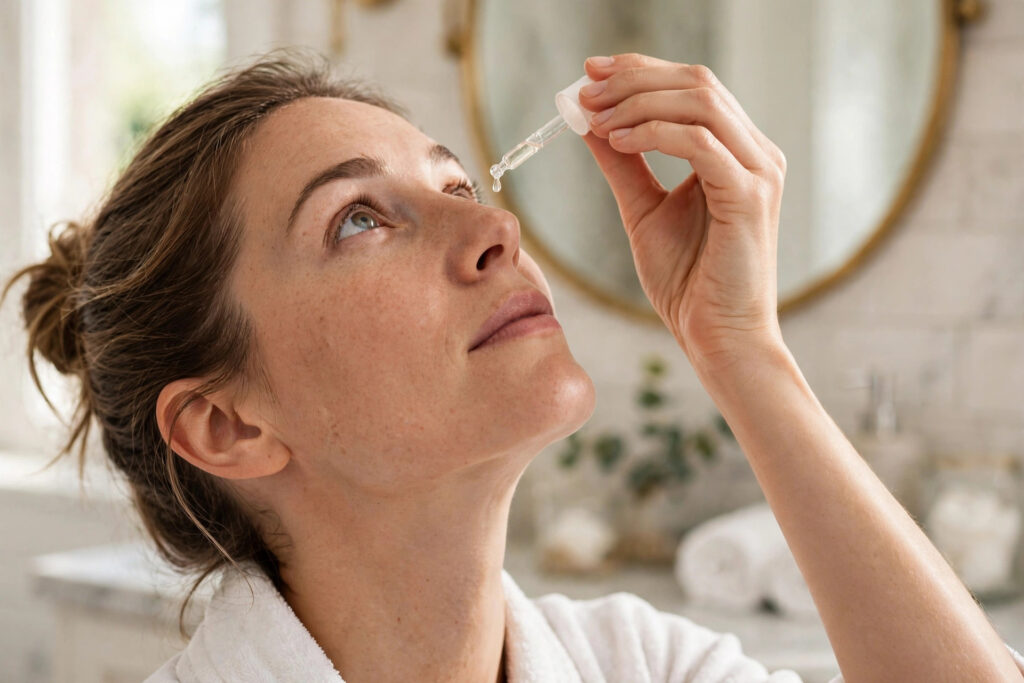
Dry eye syndrome is one of the most common reasons people visit an eye doctor, affecting tens of millions of adults. It occurs when your eyes do not produce enough tears or produce poor-quality tears that evaporate too quickly. The result is burning, grittiness, redness, and paradoxically, sometimes watery eyes.
Dry eye ranges from a mild seasonal annoyance to a chronic condition that interferes with work and daily life. Understanding the causes is the first step to finding treatments that actually work for your specific type of dryness.
Table of Contents
- How Healthy Tears Work
- Common Causes of Dry Eye
- Symptoms Beyond Dryness
- Diagnosis: What Your Doctor Checks
- Treatments: From Drops to Procedures
- Daily Habits That Help
How Healthy Tears Work
Tears are far more sophisticated than salt water. A healthy tear film has three layers: an inner mucin layer that spreads tears evenly across the eye, a middle aqueous layer that hydrates and nourishes the cornea, and an outer oil layer produced by the meibomian glands that slows evaporation. All three must work together.
Most chronic dry eye involves the oil layer. When meibomian glands clog, a condition called meibomian gland dysfunction, tears evaporate up to four times faster than normal. This evaporative dry eye is the most common form and explains why many sufferers produce plenty of watery tears that simply do not last.
Aqueous-deficient dry eye, where the lacrimal glands underproduce the watery layer, is less common but significant. It occurs in autoimmune conditions like Sjogren’s syndrome and as a side effect of aging. Identifying which layer is failing determines the treatment approach.
Common Causes of Dry Eye
Screen time is the modern epidemic behind dry eye. When you stare at screens, your blink rate drops from about 15 to 20 blinks per minute to as few as 5, and incomplete blinking fails to refresh the tear film. Hours of this daily reliably produce dry, irritated eyes.
Environment plays a huge role. Air conditioning, heating, low humidity, wind, smoke, and airplane cabins all accelerate tear evaporation. Contact lens wear increases dryness for many people, since lenses disrupt the tear film and reduce oxygen to the cornea. Our contact lens guides cover lens choices designed for dry-eye-prone wearers.
Medications are a frequently overlooked cause. Antihistamines, decongestants, antidepressants, blood pressure drugs, and acne medications all list dry eye as a side effect. Hormonal changes, particularly around menopause, reduce tear production. LASIK and other corneal surgeries can temporarily or permanently affect tear nerves. If dryness began with a new medication, mention it to your doctor.
Symptoms Beyond Dryness
The classic symptoms are burning, stinging, and a gritty sensation like sand in the eyes. Redness is common, especially later in the day. Many people notice vision that blurs and then clears with blinking, a hallmark sign that the tear film is unstable.
Paradoxically, watery eyes are a frequent dry eye symptom. When the eye surface dries out, the brain triggers emergency reflex tearing, producing a flood of poor-quality tears that spill over without relieving the underlying dryness. If your eyes water constantly yet feel dry, this reflex loop is likely the explanation.
Light sensitivity and difficulty wearing contact lenses round out the symptom list. Severe dry eye can even damage the cornea, causing pain and vision loss. Symptoms that worsen through the day and improve overnight typically point to evaporative dry eye, while constant symptoms suggest aqueous deficiency.
Diagnosis: What Your Doctor Checks
Dry eye diagnosis starts with your history and symptoms, then moves to specific tests. The Schirmer test measures tear production with a paper strip, while tear breakup time assesses how quickly tears evaporate after a blink. Your doctor will examine the eyelid margins and meibomian glands for blockage and inflammation.
Corneal staining with fluorescein dye reveals dry spots and damage on the eye surface under blue light. Tear osmolarity testing measures the salt concentration of your tears; elevated osmolarity confirms dry eye objectively. Meibography images the meibomian glands to show dropout and atrophy.
These tests matter because they distinguish evaporative from aqueous-deficient dry eye and grade severity. Treatment for clogged oil glands differs completely from treatment for underproducing tear glands, so accurate diagnosis prevents months of ineffective therapy. A comprehensive eye exam with dry eye testing is the right starting point.
Treatments: From Drops to Procedures
Artificial tears are the first-line treatment, but not all drops are equal. Preservative-free drops are gentler for frequent use, since preservatives in bottled drops irritate with repeated dosing. Gel drops and ointments last longer and suit nighttime use. Match the drop to your dryness pattern: thinner drops for mild daytime dryness, thicker ones for severe or overnight symptoms.
Prescription options target inflammation, a key driver of chronic dry eye. Cyclosporine and lifitegrast drops reduce ocular surface inflammation over weeks to months. Newer nasal sprays stimulate natural tear production through nerve pathways. Short courses of steroid drops calm severe flares under medical supervision.
In-office procedures address meibomian gland dysfunction directly. Thermal pulsation devices heat and express clogged glands, intense pulsed light therapy reduces eyelid inflammation, and punctal plugs inserted into the tear ducts keep natural tears on the eye longer. Your doctor will recommend procedures based on your diagnostic findings. The American Academy of Ophthalmology maintains current guidance on the full treatment ladder.
Daily Habits That Help
The 20-20-20 rule helps screen-related dryness: every 20 minutes, look at something 20 feet away for 20 seconds, blinking fully and deliberately. Conscious complete blinking retrains the eyelids to refresh the tear film properly. Position screens slightly below eye level so your lids cover more of the eye.
Humidify your environment, especially bedrooms and offices in winter. Wear wraparound sunglasses outdoors to block wind. Stay hydrated, get omega-3 fatty acids from diet or supplements, and apply a warm compress to the eyelids for five to ten minutes daily to keep meibomian oils flowing.
Avoid directing fans, car vents, or hair dryers at your face. If you smoke, quitting reduces ocular surface inflammation. Small consistent habits compound: most mild-to-moderate dry eye improves substantially when the environment and blinking patterns are fixed alongside appropriate drops.