
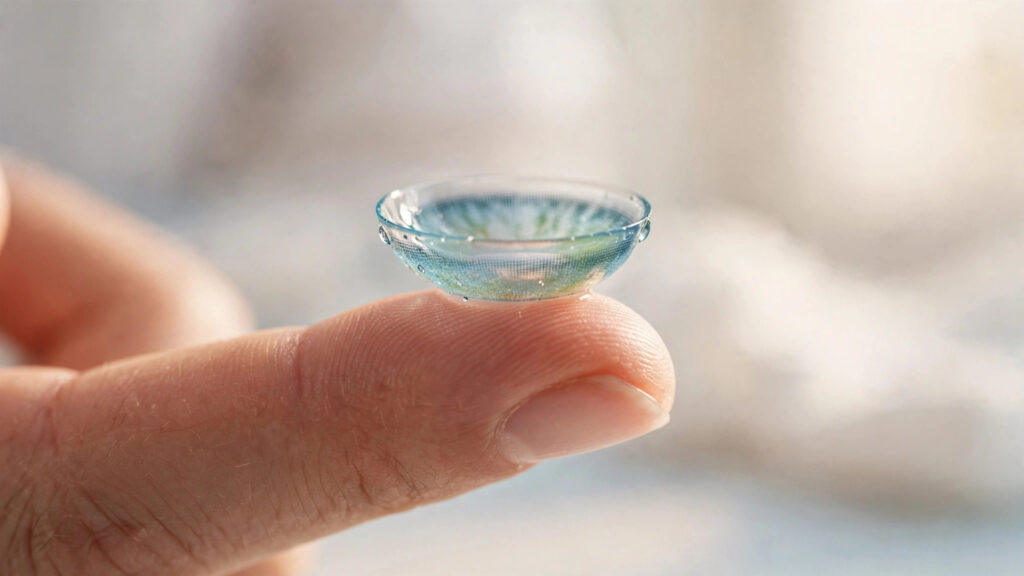
Colored contact lenses can transform your look — subtle enhancement, dramatic color change, or costume effects. But they’re medical devices, not cosmetics, and treating them casually is how people end up with serious eye infections. Every year, emergency rooms treat preventable injuries from decorative lenses bought without prescriptions.
This safety guide covers what you must know before buying colored contacts: the prescription requirement, safe sources, proper hygiene, and the real risks of cutting corners.
Table of Contents
- Types of Colored Contacts
- The Prescription Requirement
- Dangers of Unregulated Lenses
- Safe Buying Checklist
- Hygiene and Wear Tips
- When to Remove and Seek Help
Types of Colored Contacts
Colored lenses come in three main styles. Enhancement tints add subtle depth to your natural eye color (best for light eyes). Opaque color lenses completely change eye color — brown to blue, for example — using printed color layers. Theatrical or costume lenses create dramatic effects: cat eyes, zombie whites, spirals. All three types sit on the eye identically and carry identical safety requirements.
Colored lenses are available with vision correction (plano or prescription powers) and without (plano only). The “no prescription needed” myth is dangerous: even zero-power lenses require a professional fitting because lens size and curvature must match your eyes. An ill-fitting plano lens damages the cornea just as effectively as a powered one. For teens drawn to colored lenses, parents should review our kids’ vision safety resources together with their child.
The Prescription Requirement
In the US, all contact lenses — including zero-power decorative lenses — are regulated medical devices requiring a valid prescription. This isn’t bureaucracy; it’s because a proper contact lens fitting measures your corneal curvature, evaluates tear film, checks lens movement, and screens for conditions that make lens wear unsafe. No online quiz or self-measurement replaces this.
Legitimate sellers verify your prescription with your eye doctor before shipping — this verification step is a hallmark of safe sources. Sellers who skip it are breaking the law and, more importantly, putting your eyes at risk. Never share or borrow someone else’s lenses: lenses are fitted to individual eyes, and sharing spreads infection.
Dangers of Unregulated Lenses
Lenses from beauty shops, flea markets, costume stores, or unverified online sellers carry serious risks: unknown materials that may not allow oxygen through, colorants printed on the lens surface that can flake or leach, non-sterile packaging, and sizes that don’t fit your eyes. The resulting injuries include corneal abrasions, ulcers, and infections that can cause permanent vision loss.
The FDA has repeatedly warned about decorative lenses sold without prescriptions, and documented cases include blindness from severe infections. Costume lenses are the highest-risk category — often bought last-minute for events, worn too long, and sourced from the sketchiest sellers. No Halloween look is worth your sight.
Safe Buying Checklist
Buy colored lenses only when you can check every box: you have a current contact lens prescription from an eye doctor (including for plano lenses), the seller verifies prescriptions with your doctor, the lenses come from a known manufacturer in sealed sterile packaging, the seller provides wearing and care instructions, and there’s a way to contact them with problems. If any box is unchecked, walk away.
Reputable sources include your eye doctor’s office and established online contact lens retailers with prescription verification. Be especially skeptical of social media sellers and marketplace listings — counterfeit lenses are common and visually indistinguishable from genuine ones until they cause harm. Price is a signal too: legitimate lenses cost real money to manufacture safely.
Hygiene and Wear Tips
Colored lenses demand the same hygiene as regular contacts — arguably more, since wearers are often beginners. Wash and dry hands before handling, use only fresh manufacturer-recommended solution (never water, saliva, or homemade saline), rub and rinse lenses even with “no-rub” solutions, replace solution daily, and replace the case every three months.
Respect wearing schedules: dailies get tossed daily, monthlies get replaced monthly — decorative use doesn’t extend these limits. Don’t sleep in lenses unless specifically prescribed for overnight wear. Remove lenses before swimming or hot tubs. These habits protect against the eye infections that send decorative-lens wearers to emergency rooms every year.
When to Remove and Seek Help
Remove lenses immediately and don’t reinsert them if you experience: eye pain (not just mild dryness), redness that doesn’t clear quickly, light sensitivity, blurred vision, discharge, or the feeling that something is stuck in your eye. These can signal corneal abrasion or infection — both need prompt professional evaluation.
Don’t “wait and see” with eye pain from contact lenses; corneal infections can progress frighteningly fast, sometimes within 24–48 hours. See an eye doctor the same day for significant symptoms. With proper prescription, safe sourcing, and good hygiene, colored contacts are a fun, safe way to change your look — the safety steps aren’t optional extras, they’re what make the fun possible.